When temperatures plummet, it’s not just us who feel the cold. Winter can place extra stress on our pets too, from stiff joints and cracked paw pads to chilly winds, damp coats and dry skin.
As an animal homeopath, these are some of the common seasonal concerns I see every year, especially with older pets or animals who are already dealing with ongoing health challenges.
If you want to keep your dog or cat comfortable, healthy and thriving this winter, here are my favourite winter wellness tips.
Winter Has Arrived in Taupo
Over the past few days, we have hit negative temperatures, and it has been bitterly cold. The wind coming off the mountain and ranges has had that icy bite that chills you right through.
We even had a little bit of sleet here in Taupo, and after my years spent living in Alaska and the Yukon, I could feel that snow was in the air!
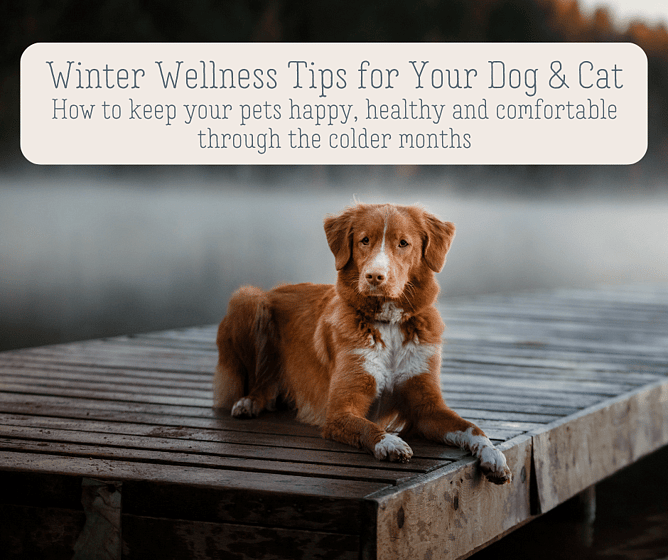
Keeping Joe out of the water has been challenging. As a Nova Scotia Duck Tolling Retriever, being in water is deeply ingrained in his breeding, and the temptation often wins! So, we have been doing more bush walks and hiking instead (much to his disappointment).
While Joe absolutely thrives in cooler weather, not every pet does.
We often assume animals don’t feel the cold as much because they have a coat, but this isn’t always true. Just like us, dogs and cats can feel the effects of cold temperatures. Winter can be especially challenging for senior pets, short-coated breeds, puppies, kittens and animals with existing health concerns.
Here are seven simple ways to support your pet’s health throughout winter.
1. Protect Your Pet’s Paws from Frost and Ice
Our pets spend winter walking across frosty grass, frozen ground, cold concrete and rough tracks. Over time, this can leave paw pads dry, cracked and uncomfortable.
After every winter walk, take a moment to check your dog’s paws (and your cat’s if they spend time outdoors). Look for:
Cracks or splits
Cuts or abrasions
Ice caught between the toes
Redness or swelling
Excessive licking
If you live in an area with snow or regular frost, dog booties can provide excellent protection.
Frostbite is also something to be aware of. Take it from me - frostbite is painful. I still have the scars on my face and neck from my time in Alaska, which is why I am so careful with Joe when we are out in extreme cold.
While severe frostbite is not common everywhere in New Zealand, pets living in colder regions or travelling into alpine areas can still be at risk.
For paw and nail injuries, Hypericum is one of my favourite homeopathic remedies to have available. It is a remedy I often consider when there is sensitivity involving nerve-rich areas such as paws and nails.
For cuts and abrasions, Calendula is another remedy I commonly use to support healthy skin repair. One of the things I love about using Calendula orally is there is no messy cream for your pet to immediately lick off!
If your pet has been exposed to extreme cold, other remedies may be considered depending on the individual symptoms. If you are unsure, always seek advice from a qualified animal homeopath.
2. Cold Winds and Winter Exposure
Taupo winters can be incredibly harsh, especially when that cold wind comes off the mountains.
Even dogs with thick coats can become chilled after prolonged exposure to cold, wet or windy conditions.
One remedy I always keep in Joe’s acute kit is Aconite, Individual Remedies - A-Z. This is a remedy I commonly think about after sudden exposure to cold weather, wind, rain or rapid temperature changes.
Recently, after Joe had been out swimming in the lake on a particularly windy day, he developed a rather nasty eye discharge. Aconite was exactly what he needed, and it settled beautifully.
It is also a remedy I think about for those unexpected cold-weather situations, such as a cat accidentally being locked outside overnight or a dog caught out in heavy rain.
3. Support Your Pet from the Inside Out
One of the most important ways we can support our pets during winter starts with what is in their food bowl.
Good nutrition plays a vital role in supporting your pet’s overall wellbeing, including their immune system, energy levels, digestion, skin and coat health.
I always recommend feeding a balanced, species-appropriate diet that suits your individual animal. Winter can also be a great time to review whether your pet’s current diet is still meeting their needs, especially if you have noticed changes in their:
Energy levels
Digestion
Skin or coat
Weight
Overall wellbeing
Adding whole foods can also provide valuable nutritional support.
Joe loves whole pilchards, which are a fantastic natural source of Omega-3 fatty acids. They are a great addition to his diet and help support healthy skin, a shiny coat and normal inflammatory responses. Many cats enjoy them too!
Remember, every animal is different. Age, breed, activity level, lifestyle and existing health concerns all influence what nutrition looks like for each individual pet.
4. Keep Them Moving During Winter
When the weather is cold, it is tempting to spend more time indoors—but regular movement is incredibly important for our pets.
Exercise helps:
Keep joints mobile
Maintain muscle strength
Support circulation
Prevent unwanted weight gain
Provide mental stimulation
Joe would happily swim every single day regardless of the temperature, but during the colder months we have been replacing some of those lake adventures with bush walks and hiking.
If the weather is particularly miserable, remember that enrichment does not have to happen outside. Scent games, food puzzles, training sessions and interactive play can all help keep your pet physically and mentally engaged.
5. Create a Warm, Comfortable Sleeping Space
A warm, comfortable bed can make a huge difference, particularly for senior pets or animals who struggle more during colder weather.
Simple changes can include:
Moving beds away from draughts
Keeping bedding off cold floors where possible
Adding extra blankets
Considering a heated pet bed for older pets
Using enclosed “igloo” beds for cats, who naturally love warm, secure spaces
If your pet sleeps outdoors during winter, appropriate shelter is essential. Their sleeping area should be dry, protected from wind and provide enough insulation to keep them warm.
6. Support Healthy Skin and Coats
Winter’s dry air and indoor heating can leave your pet’s skin feeling dry and their coat looking dull.
You may notice:
Flaky skin or dandruff
A brittle coat
Increased scratching
Dry paw pads
Some simple ways to support healthy skin include:
Regular brushing
Brushing stimulates the natural oil-producing glands in the skin and helps distribute those oils through the coat.
A balanced diet
Nutrition plays a huge role in skin health, which is why quality fats and appropriate Omega-3 sources can be so beneficial.
If you notice ongoing skin problems, it is worth looking beyond the surface. The skin is often a reflection of what is happening internally, and recurring issues may require a more individualised approach.
7. Keep an Eye on Senior Pets
Winter often highlights changes that may have been developing quietly.
If your older dog or cat seems slower getting up, less enthusiastic about walks or reluctant to jump onto furniture, don’t simply assume it is “just old age”.
Cold weather can exaggerate stiffness and discomfort, and early support can help your pet stay comfortable and active throughout the colder months.
Helping Your Pet Thrive This Winter
Winter does not have to be a difficult season for our pets.
With a little extra attention to their paws, nutrition, exercise, bedding and overall wellbeing, most dogs and cats can continue to enjoy everything winter has to offer.
As an animal homeopath, I believe the best approach is always a proactive one, supporting the whole animal rather than waiting until problems become bigger.
If you would like to learn more about natural ways to support your pet this winter, or you would like help building a homeopathic acute kit for your dog or cat, I would love to help.
Here’s to crisp winter mornings, muddy adventures, cosy afternoons and happy, healthy pets all season long.